How Smart Storage Choices Shape Daily Comfort, Safety, and Long-Term Value
Storage plays a quiet yet important part in every bathroom update. Poor storage causes clutter, stress, and wasted time. Good storage supports daily habits and keeps surfaces clear. When planning a remodel, storage decisions should come early, not last. Cabinets, shelves, and drawers affect how the room feels and works. They also shape cleaning effort, safety, and resale value. Understanding how storage fits into the full plan helps you avoid mistakes. It also helps you get better use from every inch of space.
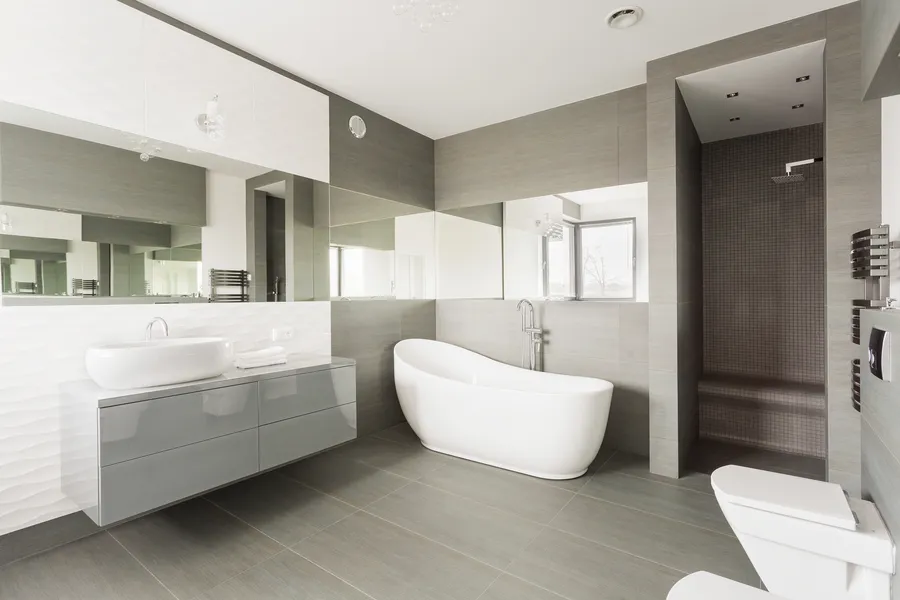
Key Benefits of Thoughtful Storage Choices
Smart storage improves function and comfort right away. Homes that invest in good layouts often see better daily use. Many homeowners working with bathroom remodeling services focus on style first. Storage should share that priority. Well-placed storage reduces clutter and speeds up routines. It also keeps items dry and clean. According to housing studies, organized bathrooms feel larger and more relaxing. That feeling matters for long-term satisfaction and resale interest.
- Clear counters that are easier to clean
- Safer spaces with fewer items left on edges
- Faster mornings with items easy to reach
- Better moisture control for towels and supplies
Common Storage Problems Homeowners Face
Many bathrooms lack the right mix of storage types. Deep cabinets hide items and waste space. Small vanities limit daily supplies. Some bathroom remodeling services focus on fixtures and miss these details. Overhead shelves can feel cramped. Poor drawer design leads to broken tracks and wasted money. These issues grow worse in shared bathrooms. The result is clutter that returns fast, even after a remodel.
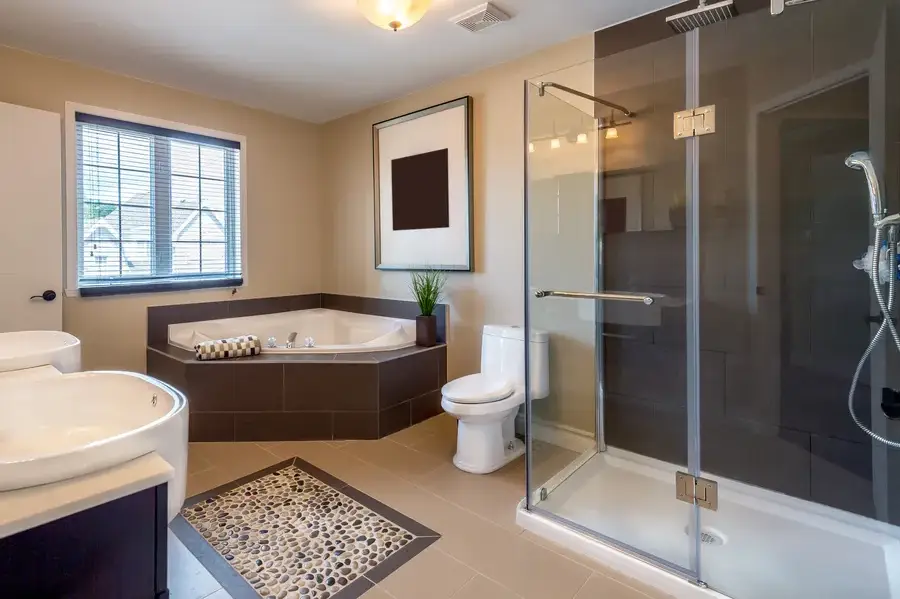
- Too few drawers for small items
- Cabinets that block doors or walkways
- No space for cleaning supplies
- Shelves placed too high for daily use
Step-by-Step Process for Better Storage Planning
Good storage planning starts before walls move. Measure the room and list daily items first. Think about who uses the space and when. Storage should match habits, not guesses. Choose types that fit each need. Drawers work better than shelves for most items. Vertical storage helps small rooms feel open.
- List all items used each day and week
- Group items by size and purpose
- Match groups to drawer, shelf, or cabinet types
- Place daily items within easy reach
- Reserve high spaces for rarely used items
Best Practices That Improve Long-Term Use
Industry professionals follow simple rules for lasting results. Materials must handle moisture and daily wear. Soft-close hardware reduces damage over time. Adjustable shelves allow future changes. Lighting inside storage helps visibility. These choices prevent repairs and frustration later.
- Use moisture-resistant materials
- Choose drawers over deep cabinets
- Add dividers for small items
- Plan storage around plumbing limits
Industry Standards and Safety Requirements
Storage must meet basic building and safety rules. Cabinets should not block electrical access. Clearances around toilets and sinks matter. Wall-mounted units need proper support. Local codes often require specific spacing. Following these rules protects both safety and resale value. Poorly installed storage can fail inspections and cause delays.
Cost Considerations and Value Over Time
Storage costs vary by size, material, and hardware. Custom units cost more but reduce wasted space. Stock options cost less but may need adjustments. The real value comes from long-term use. Storage that lasts saves replacement cost. Organized bathrooms also attract buyers and support higher offers.
- Stock options offer lower upfront cost
- Custom designs maximize limited space
- Quality hardware reduces repair needs
- Good storage supports resale value
Smart Next Steps With Storage-Focused Remodeling
Located in Farrell, PA, we help homeowners plan storage that fits real life. Renew Your Home LLC focuses on layouts that reduce clutter and improve flow. Our team reviews daily habits before designs begin. Call (724) 261-0663 to discuss storage options that support comfort, safety, and long-term value.