With Clear Planning That Prevents Delays and Cost Surprises
Planning a kitchen update takes time, care, and the right steps. Many projects fail because plans start too late or lack detail. A clear process helps avoid stress, waste, and delays. It also helps you control costs and protect your home routine. This guide explains how to move from idea to finish without confusion. Each section focuses on one clear action you can take. The goal is to help you make smart choices before work begins.
With Clear Goals Defined Before Any Work Starts
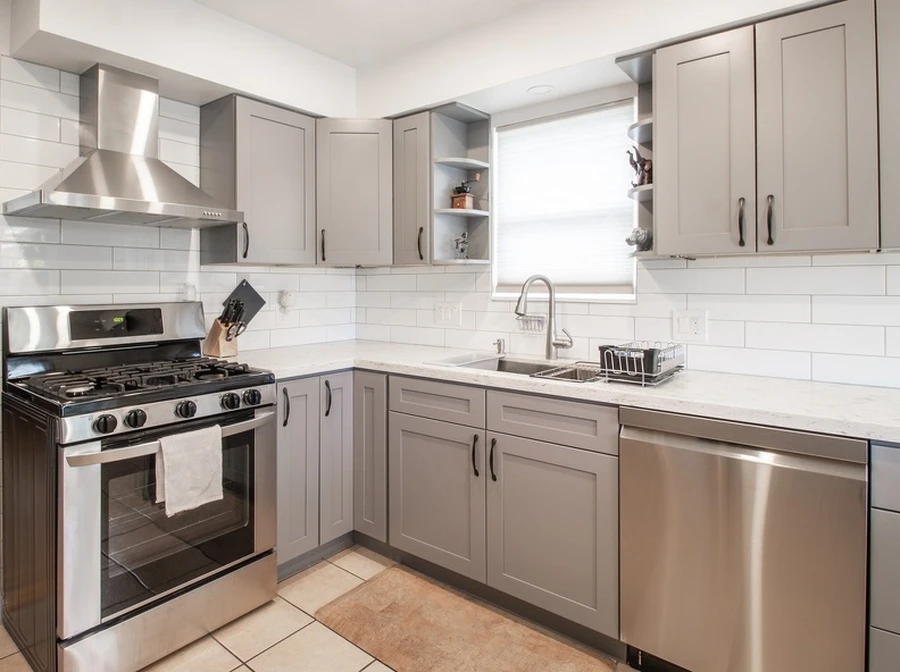
Before starting kitchen remodeling, you need clear goals. Decide what works now and what does not. Think about storage limits, poor lighting, or blocked walkways. Write down daily tasks that feel hard. This step helps avoid changes during the build. Industry surveys show that design changes cause most delays. Set goals for function first, then style. Clear goals guide every choice that follows.
With Budget Planning That Matches Real Project Scope
Kitchen remodeling budgets fail when costs are vague. You should plan for materials, labor, permits, and waste removal. Set aside about ten percent for surprise issues. Old wiring or plumbing often needs repair. Knowing your spending limit helps you decide between options early. Contractors also give better bids when budgets are clear. This step reduces stress and improves results.

With Layout Choices That Support Daily Movement
A smart layout saves time and effort each day. Focus on how you move between the sink, stove, and refrigerator. This triangle limits extra steps. Avoid tight paths or doors that collide. Design experts suggest at least four feet between counters for traffic. Good layout planning prevents regret after installation. It also improves safety and comfort.
With A Step by Step Planning Process
Breaking the project into steps keeps plans on track. Each phase should finish before the next begins. This order also helps contractors work faster and safer.
- Measure the space and note fixed walls
- Create a simple layout plan
- Select cabinets, counters, and fixtures
- Confirm permits and inspections
- Schedule work in logical order
With Honest Review of Benefits and Drawbacks
Every update has advantages and possible downsides. Reviewing both helps you avoid poor choices.
- Pros: better storage, improved workflow, higher home value
- Cons: temporary disruption, noise, and dust
With Material Choices Based on Long Term Use
Materials should match how you use the space. Busy homes need strong surfaces. Quartz resists stains better than many stones. Solid wood doors last longer than thin panels. Check water resistance near sinks. Simple finishes show fewer marks. Choosing durable products reduces future repairs and costs.
With Best Practices Used by Industry Professionals
Experts follow proven habits for smooth results. These best practices protect quality and timelines.
- Order materials early to prevent delays
- Confirm measurements before every order
- Schedule inspections at each phase
- Communicate changes in writing
With Codes and Standards Followed From Day One
Building codes protect safety and value. Most areas require permits for electric and plumbing work. Codes cover outlet spacing, venting, and lighting. Failing inspection can stop work or force removal. Licensed pros understand local rules. Following standards avoids fines and protects resale value.
With Cost Control That Protects Your Investment
Costs vary based on size, materials, and labor rates. Cabinets often take the largest share. Labor can reach forty percent of total cost. Spending more on hidden systems can save money later. Energy efficient lighting cuts power bills. Smart spending focuses on value, not trends.
With A Clear Path Toward Project Support
Located in Farrell, PA, we help homeowners plan projects with fewer problems. Renew Your Home LLC focuses on clear planning, honest guidance, and steady timelines. We handle design details, permits, and coordination. Call (724) 261-0663 to discuss next steps and schedule a planning review.